
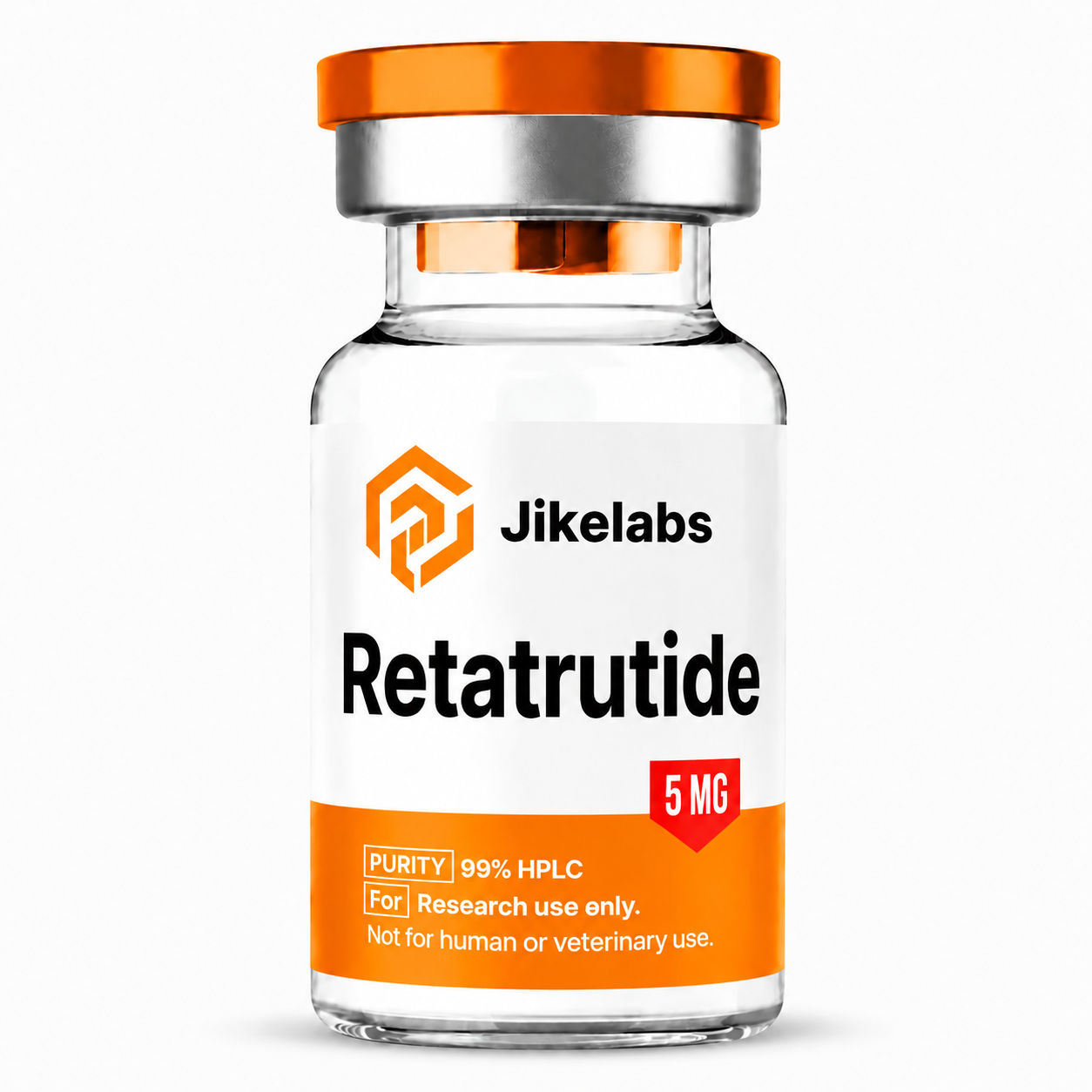
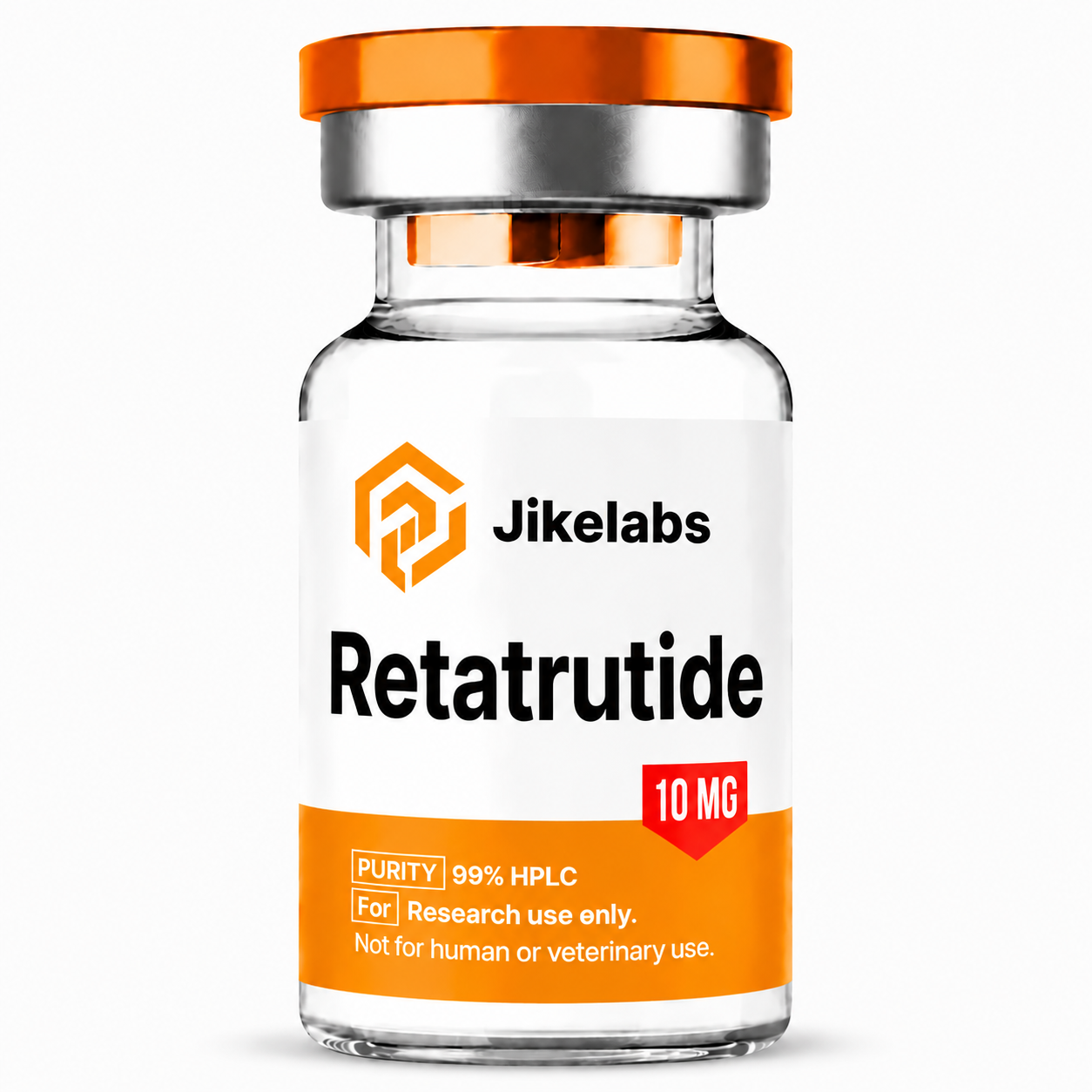
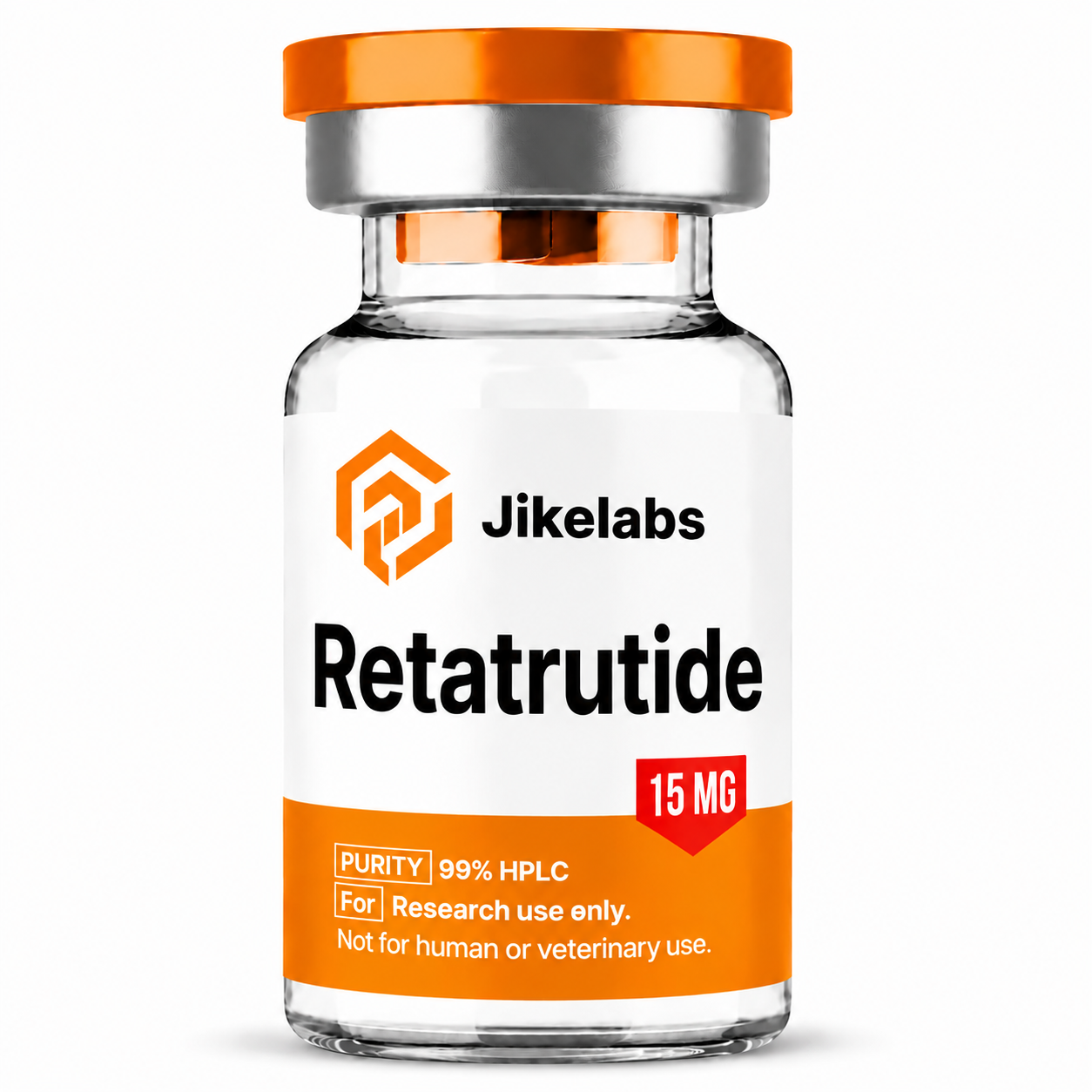
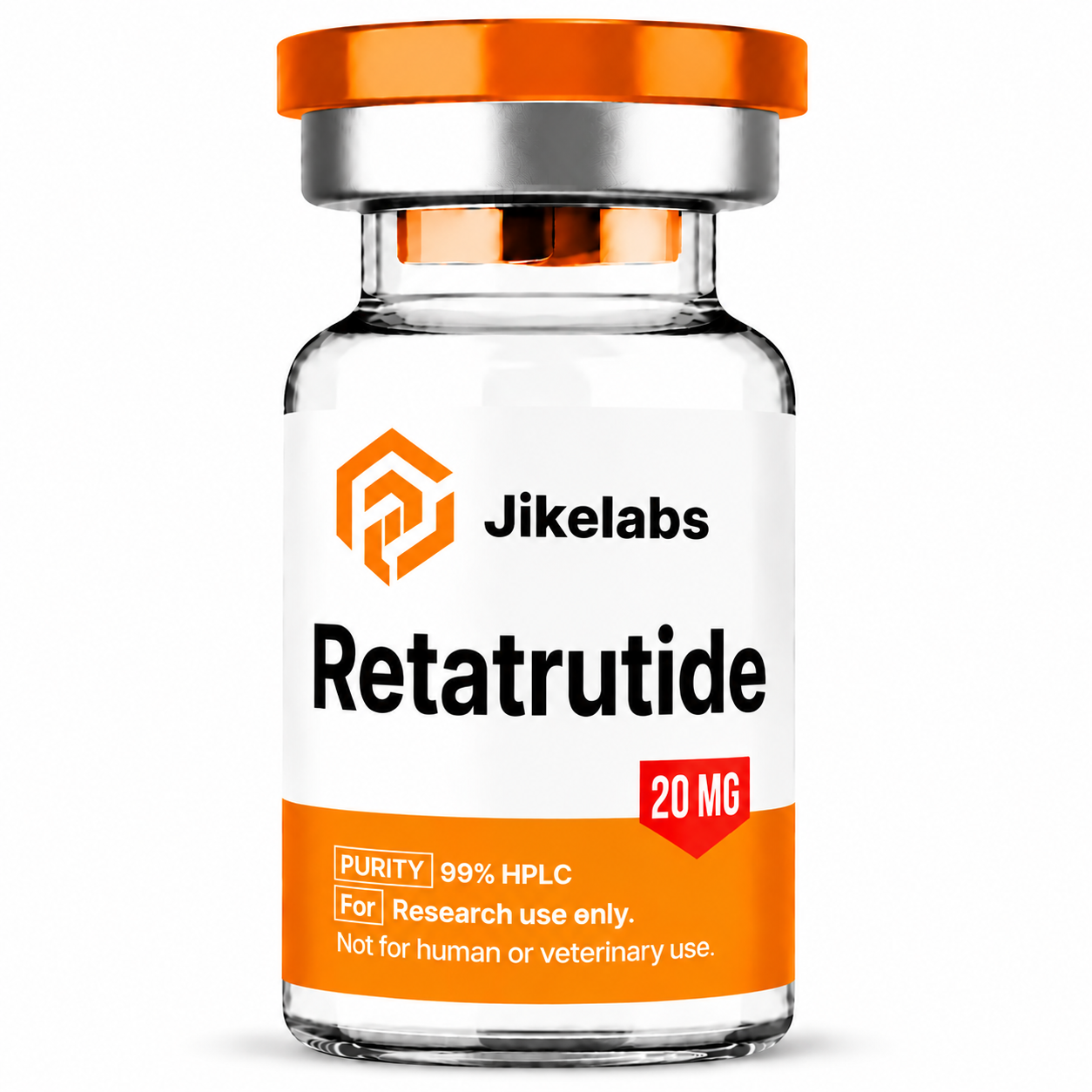
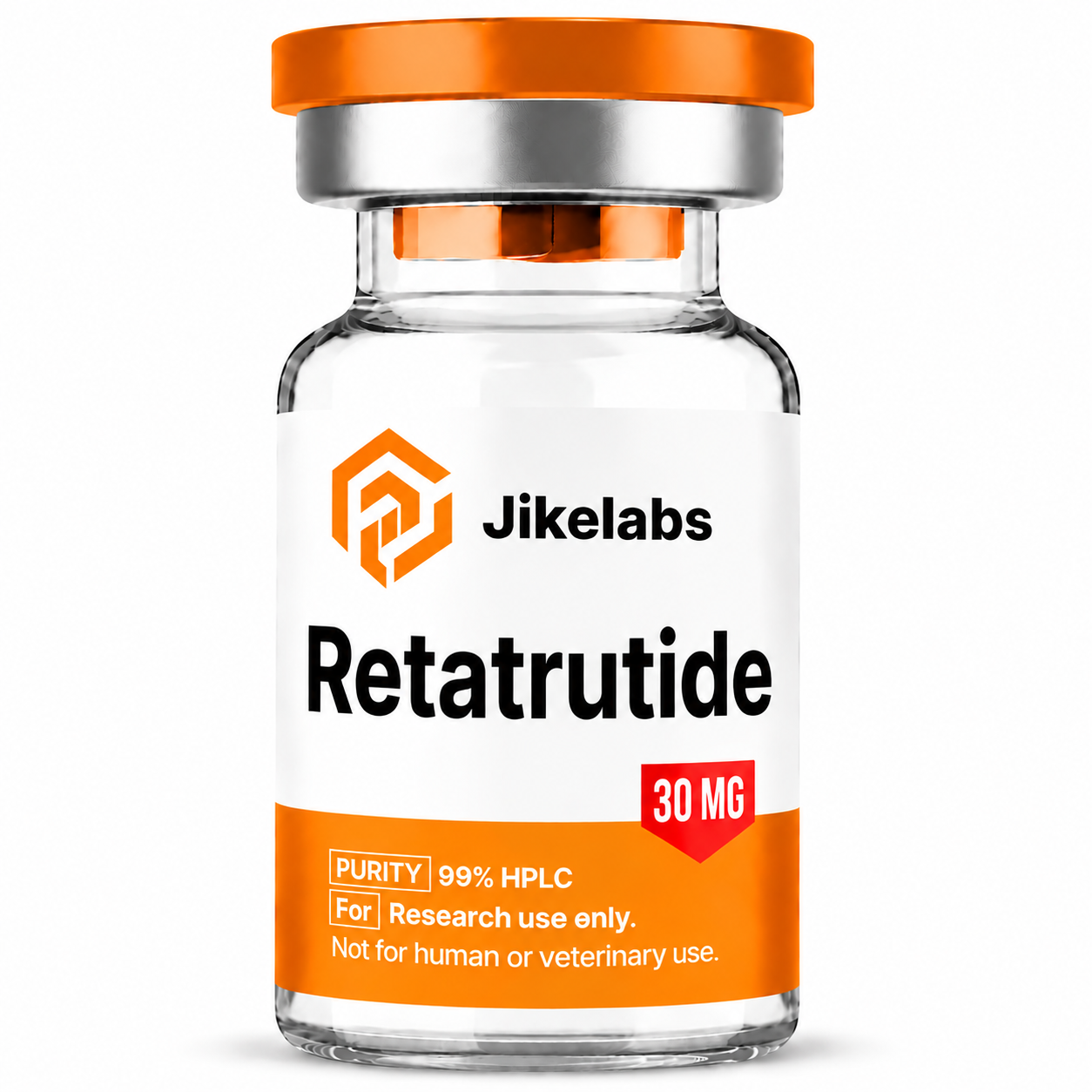
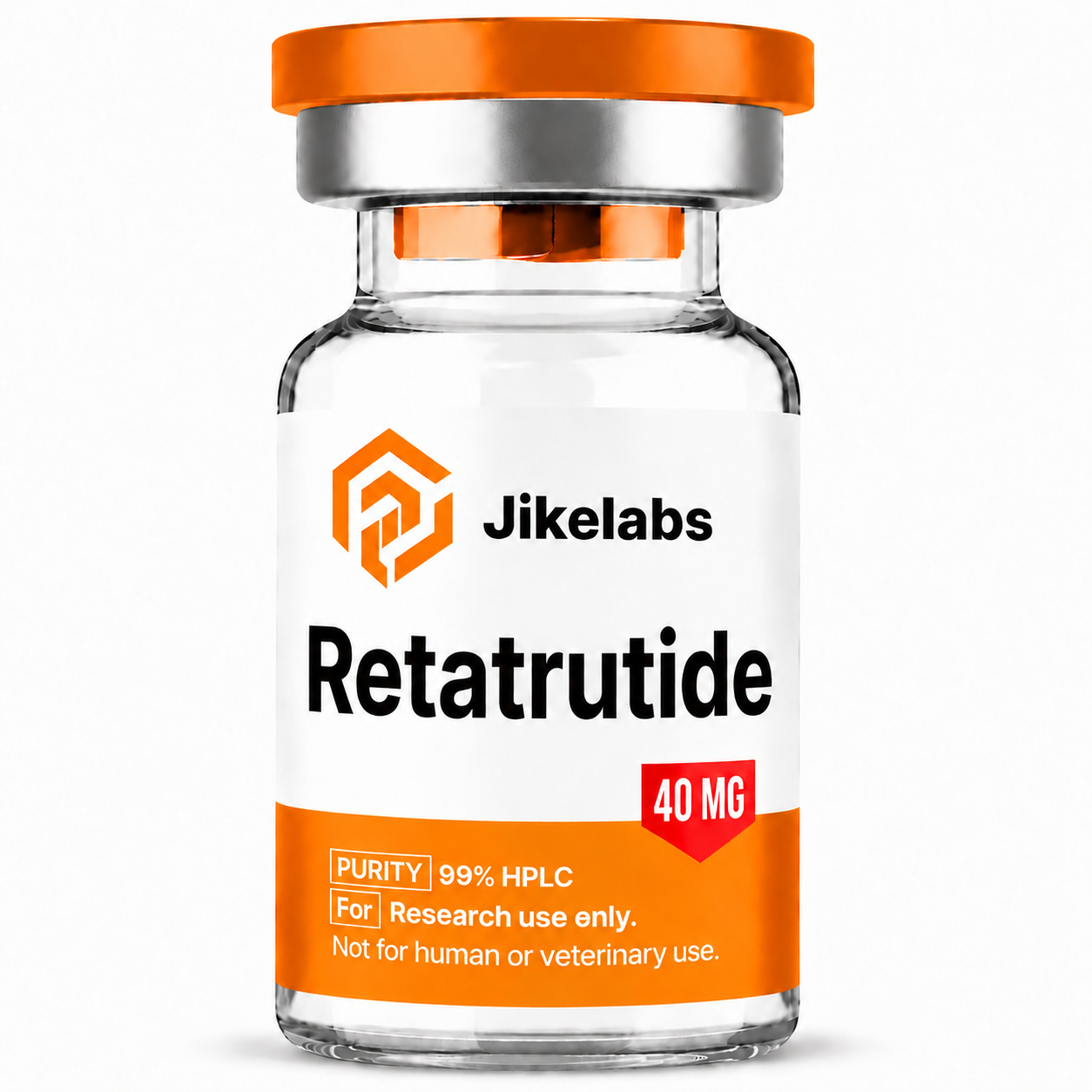
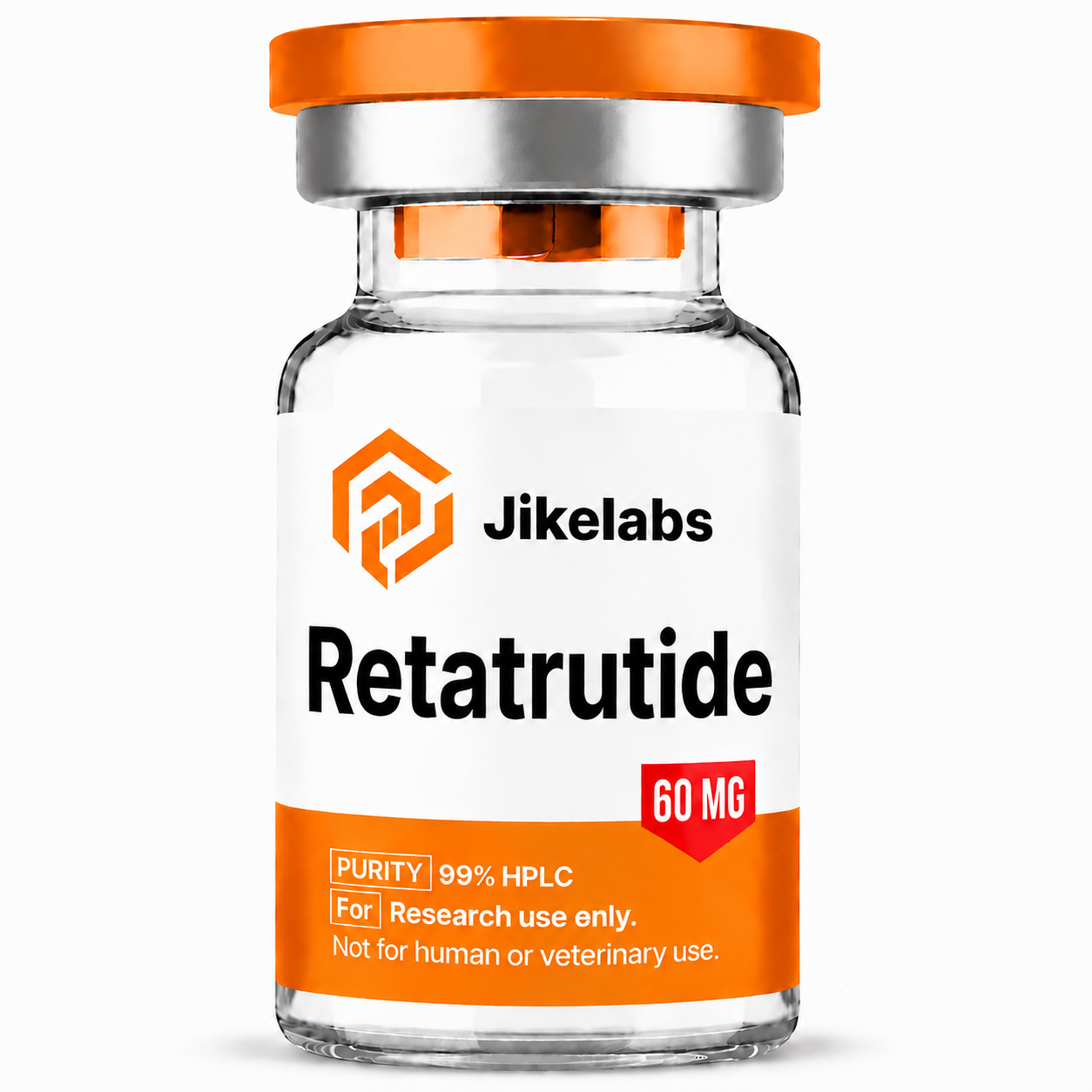
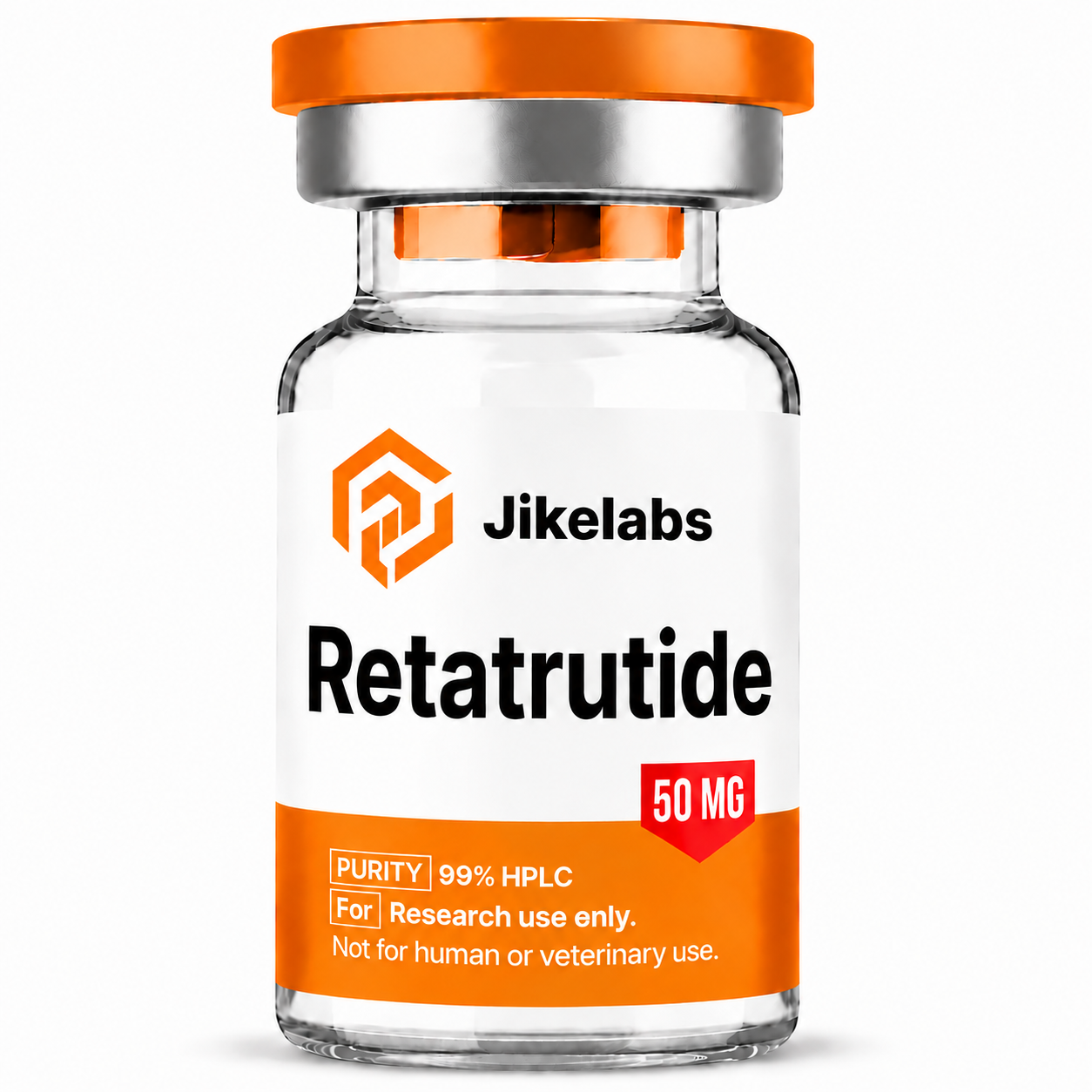
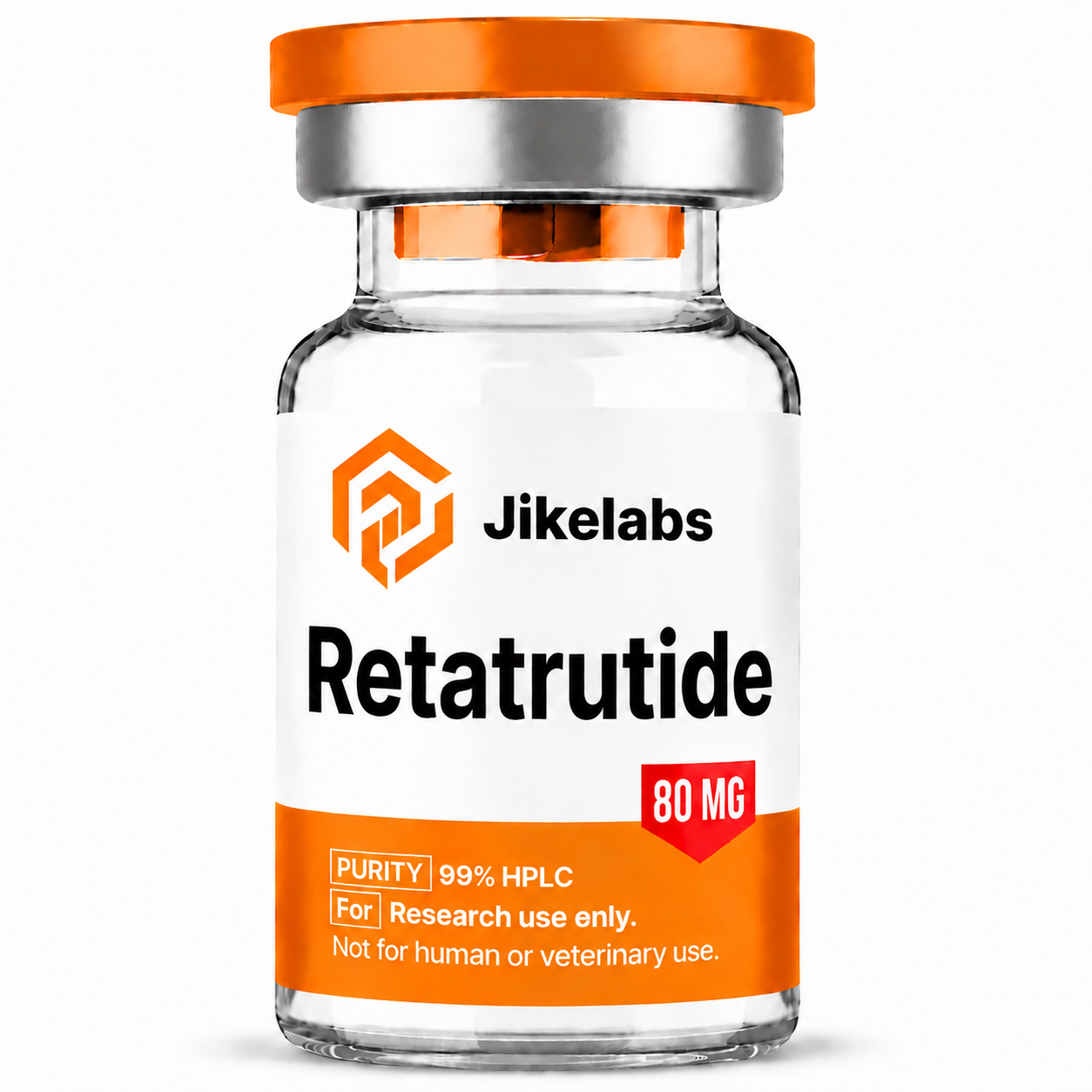
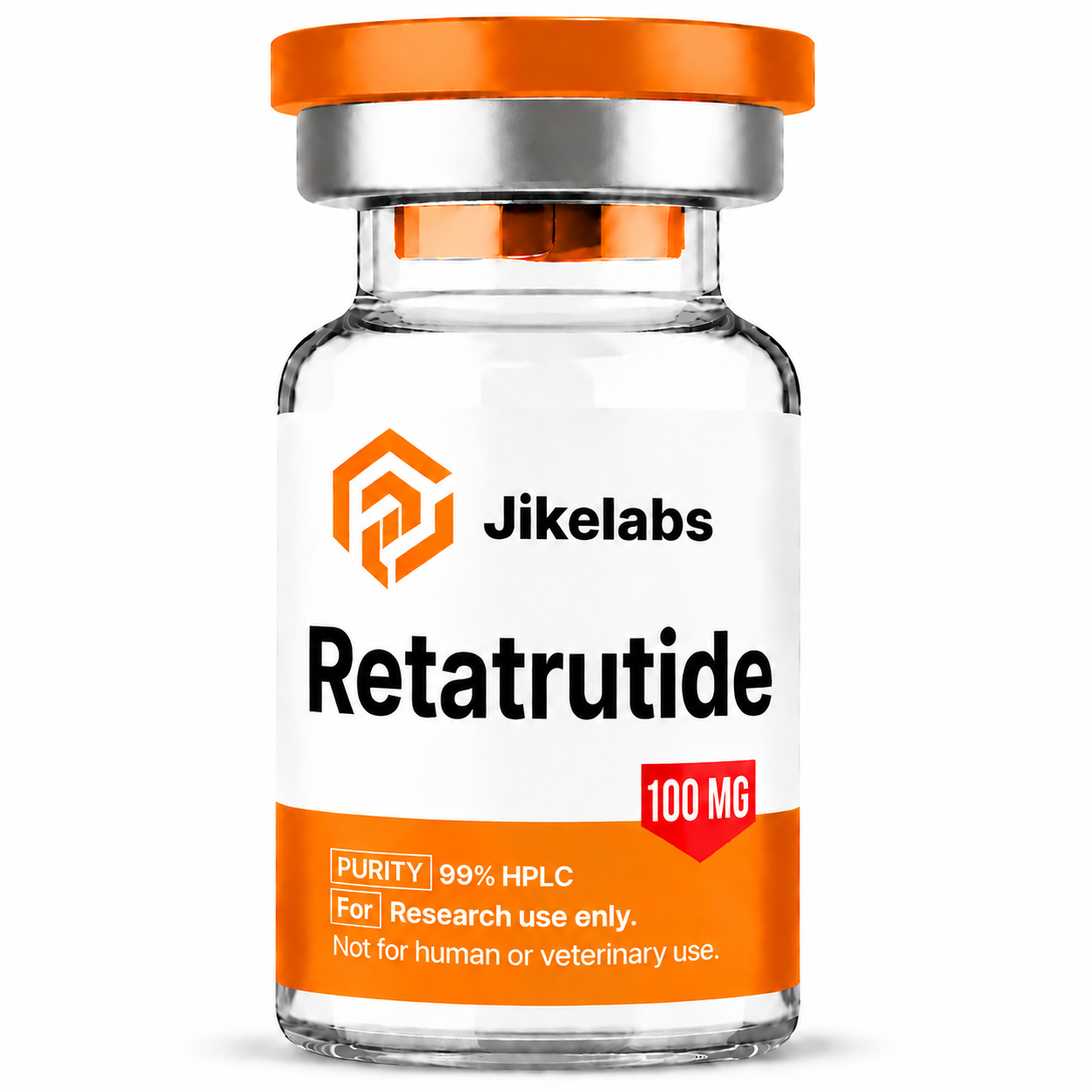
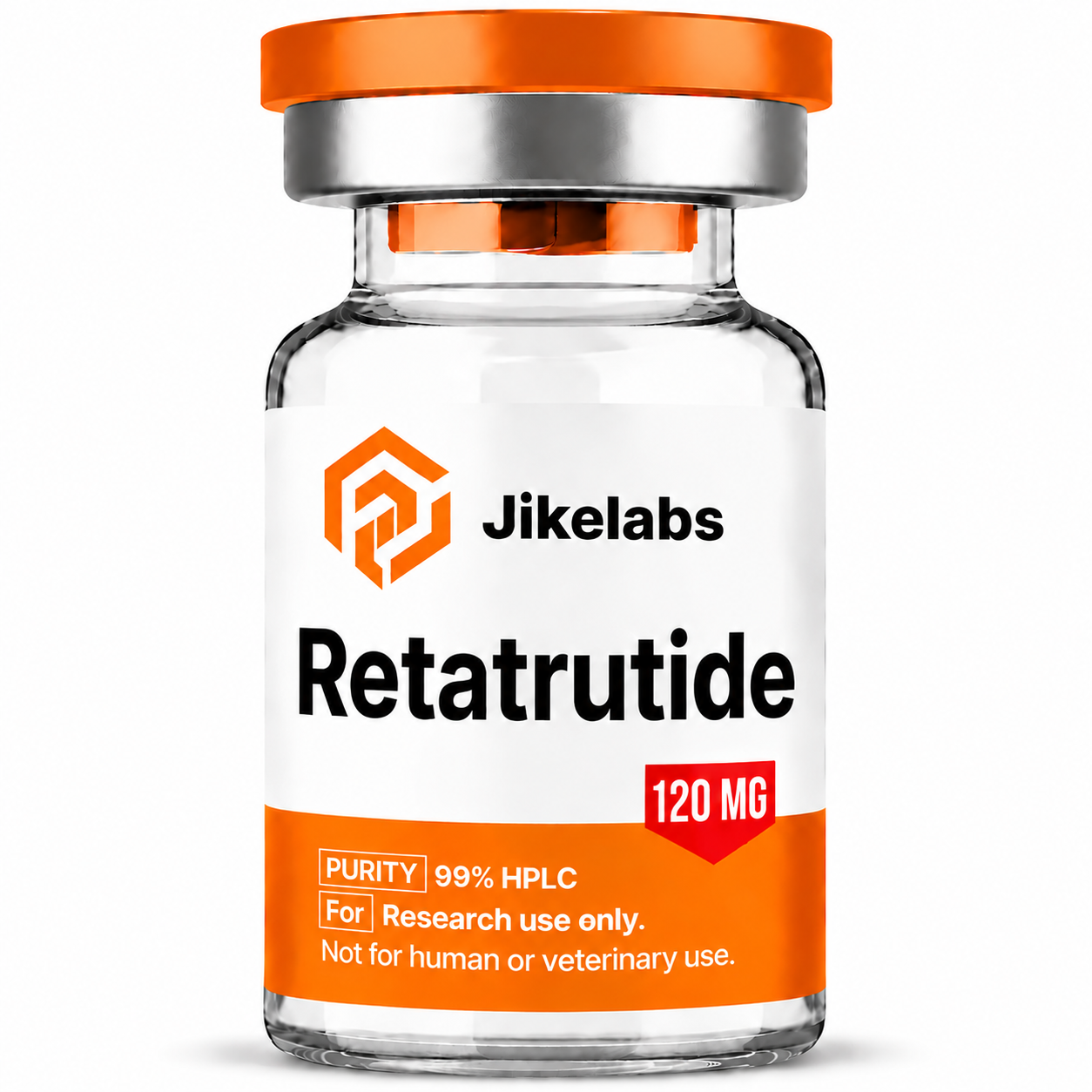
Retatrutide 5mg-120mg
-
Detail
Research Peptide · For Laboratory Use Only
Retatrutide 10mg
Triple GIP/GLP-1/Glucagon Receptor Agonist · 39-Amino-Acid Fatty-Acid-Conjugated Peptide · Lyophilized Powder · Purity ≥99% (HPLC)
Retatrutide (development code LY3437943) is a single-molecule triple hormone receptor agonist that simultaneously activates the GIP receptor (GIPR), the GLP-1 receptor (GLP-1R) and the glucagon receptor (GCGR) — the first peptide of its class to reach late-stage clinical development. Its 39-amino-acid backbone carries a distinctive set of stability modifications: two α-aminoisobutyric acid (Aib) residues that block DPP-4-type cleavage and an α-methyl-leucine (α-Me-Leu) that reinforces the helical pharmacophore against proteolysis. A C20 fatty diacid is conjugated to a lysine side chain through a hydrophilic γ-Glu-AEEA-AEEA linker, enabling reversible albumin binding and once-weekly pharmacokinetics.
In clinical research, retatrutide has produced the largest body-weight reductions reported for any incretin-based therapy to date — up to approximately 24% at 48 weeks in Phase 2 and around 28% in Phase 3 trials — by combining appetite suppression (GLP-1R), insulin sensitization and lipid handling (GIPR), and glucagon-driven energy expenditure and hepatic fat oxidation (GCGR). Each vial is supplied as a sterile lyophilized (freeze-dried) powder to ensure maximum stability.
Product Specifications
Product Name Retatrutide (LY3437943) CAS Number 2381089-83-2 Amino Acid Sequence H-Tyr-Aib-Gln-Gly-Thr-Phe-Thr-Ser-Asp-Tyr-Ser-Ile-αMeLeu-Leu-Asp-Lys-Lys(AEEA-AEEA-γ-Glu-C20 diacid)-Ala-Gln-Aib-Ala-Phe-Ile-Glu-Tyr-Leu-Leu-Glu-Gly-Gly-Pro-Ser-Ser-Gly-Ala-Pro-Pro-Pro-Ser-NH₂ (39-residue backbone; Aib = α-aminoisobutyric acid; αMeLeu = α-methyl-leucine; C-terminal amide) Molecular Formula C₂₂₁H₃₄₂N₄₆O₆₈ Molecular Weight 4731.33 Da (≈4.7 kDa) Receptor Profile Balanced triple agonist at GIPR, GLP-1R and GCGR (reported in vitro EC₅₀: GIPR ≈0.064 nM, GLP-1R ≈0.78 nM, GCGR ≈5.8 nM) Key Modifications Two Aib substitutions (DPP-4 resistance) · α-Me-Leu (protease resistance, helix stabilization) · C20 fatty diacid via γ-Glu-AEEA-AEEA linker (albumin binding, once-weekly PK) Quantity 10mg per vial Physical Form White to off-white lyophilized powder Purity ≥99% as determined by HPLC Storage -20°C for long term; 2–8°C for short term (lyophilized) What is Retatrutide?
The incretin field has progressed in clear steps: selective GLP-1 agonists (semaglutide), then dual GIP/GLP-1 agonists (tirzepatide), and now triple agonists that add glucagon receptor activity to the mix. Retatrutide represents the third step — engineered on the premise that each of the three gut-pancreas hormones contributes a distinct and complementary metabolic effect, and that a single balanced molecule can engage all three pathways at once.
The molecule was optimized for balanced triple activity through rational peptide design. Its key structural features include:
- A 39-amino-acid single-chain backbone derived from the incretin pharmacophore, with residues tuned to maintain meaningful affinity at all three receptors within one sequence;
- Two Aib residues, non-coded amino acids that block N-terminal peptidase (DPP-4-type) cleavage;
- An α-methyl-leucine (α-Me-Leu) modification that stabilizes the helical conformation and further resists proteolytic degradation — a modification characteristic of next-generation incretin analogs;
- A C20 fatty diacid on a lysine side chain attached through a γ-Glu-AEEA-AEEA hydrophilic linker, producing reversible albumin binding that extends the half-life to support once-weekly administration;
- A C-terminal amide, completing the linear, non-cyclic design.
In published research, retatrutide has been investigated in a wide range of settings, including:
- Obesity research — the Phase 2 trial published in the New England Journal of Medicine reported dose-dependent weight reduction of up to approximately 24% at 48 weeks, the largest incretin-mediated effect reported at the time;
- Type 2 diabetes — significant HbA1c reduction alongside weight effects in the same program;
- Hepatic steatosis — early-phase data showed marked reductions in liver fat content, supporting ongoing studies in metabolic dysfunction-associated steatotic liver disease (MASLD/MASH);
- Phase 3 TRIUMPH program — late-stage trials in obesity have reported weight reductions around 28%, extending the dose-response curve beyond dual agonists;
- Receptor pharmacology and structure-activity studies — cryo-EM structural work has resolved how retatrutide simultaneously engages GLP-1R, GIPR and GCGR, making it a key reference compound for triple-agonist design.
As the most advanced triple incretin agonist in clinical development, retatrutide has become the benchmark molecule for the next generation of metabolic therapies — a reference compound of central importance for laboratories studying coordinated GIP/GLP-1/glucagon signaling.
Mechanism of Action
Handling & Storage Guidelines
- Lyophilized powder: Store at -20°C for long-term stability; 2–8°C is acceptable for short-term storage. Avoid repeated temperature cycling and protect from light and moisture.
- Before opening: Allow the vial to reach room temperature and briefly centrifuge to ensure the full contents collect at the bottom of the vial.
- Reconstitution: Add bacteriostatic water or an appropriate solvent gently along the vial wall. Swirl slowly until fully dissolved; avoid vigorous shaking. As a lipidated amphipathic peptide, retatrutide may dissolve slightly slower than small peptides — patient, gentle swirling is recommended.
- Reconstituted solution: Store at 2–8°C, protect from light, and use promptly; do not refreeze the solution.
- General: Handle with standard laboratory protective equipment (gloves, lab coat, eye protection).
Why Choose Our Retatrutide?
🧪
Verified Purity
Each batch tested by HPLC & MS; COA available upon request.
📦
Secure Packaging
Sealed vials with temperature-protective packaging for safe delivery.
🚚
Fast Dispatch
Orders processed promptly with tracking provided.
Frequently Asked Questions
Q1: How is retatrutide different from tirzepatide and semaglutide?
A: They represent three generations of incretin-based design. Semaglutide is a selective GLP-1 receptor agonist; tirzepatide adds GIP receptor activity (dual agonist); retatrutide adds glucagon receptor activity on top of both (triple agonist). The glucagon component contributes increased energy expenditure and hepatic fat oxidation — a mechanism absent from the first two generations — which is reflected in the larger weight reductions observed in clinical trials.
Q2: Why does retatrutide contain the unusual modifications Aib and α-Me-Leu?
A: Both are non-coded amino acids used to defeat enzymatic degradation. Aib (α-aminoisobutyric acid) blocks DPP-4-type cleavage near the N-terminus, while α-methyl-leucine stabilizes the helical pharmacophore and resists proteolysis. Together with the albumin-binding fatty acid chain, they enable the once-weekly pharmacokinetic profile.
Q3: Isn't glucagon a blood-sugar-raising hormone — why agonize its receptor?
A: This is a deliberate and much-studied design choice. In the context of concurrent GLP-1R and GIPR agonism (which strongly control glycemia), GCGR activation contributes increased energy expenditure, lipid oxidation and liver-fat reduction without the glycemic liability that unopposed glucagon would cause. Retatrutide's balanced receptor potencies were tuned specifically to capture this synergy.
Q4: What is the development status of retatrutide?
A: Retatrutide is an investigational compound in Phase 3 clinical trials (TRIUMPH program) for obesity, type 2 diabetes and liver-fat-related indications. It is not an approved pharmaceutical product anywhere for the purposes sold here.
Q5: How should I store it after receiving?
A: Keep unopened vials at -20°C for long-term storage. Once reconstituted, refrigerate at 2–8°C, protect from light, and use promptly; do not refreeze the solution.
Q6: Is a Certificate of Analysis (COA) available?
A: Yes, third-party tested COA documentation can be provided for each batch. Please contact our customer service with your order number.
⚠ Research Use Only — Disclaimer
All product information provided on this page is solely for information dissemination and educational purposes. The products offered are intended exclusively for in vitro laboratory research and are not pharmaceuticals. They have not been approved by the U.S. Food and Drug Administration (FDA) or any other regulatory authority for the purposes sold here, and must not be used to prevent, treat or cure any medical condition, disease or ailment.
It is strictly prohibited to introduce these products into the human or animal body in any form. By purchasing, the buyer acknowledges full responsibility for the proper handling, use and compliance with all applicable local laws and regulations.
-
Customer ReviewsNo comments